

Understanding Anxiety: Signs, Causes, and Practical Ways to Cope
How to recognize anxiety and evidence-based techniques to manage it day to day
Everyone feels anxious from time to time — before an exam, a job interview, or a difficult conversation. But when worry becomes constant, disproportionate, or starts to interfere with daily life, it may be an anxiety disorder rather than ordinary stress. This guide explains the difference and what you can do about it.
Anxiety vs. Everyday Stress
Stress is typically a response to an external trigger and fades once the situation passes. Anxiety tends to persist even without an obvious cause, and is often focused on future threats that may never happen. Key differences:
- Stress: linked to a specific event, usually short-lived, often motivating.
- Anxiety: persistent and excessive worry, physical symptoms (racing heart, tension, poor sleep), avoidance of situations.
Common Signs and Symptoms
Anxiety shows up in the mind and the body. Watch for:
- Excessive worry most days, for weeks at a time
- Restlessness, irritability, or feeling "on edge"
- Difficulty concentrating or a mind that goes blank
- Muscle tension, headaches, stomach issues
- Trouble falling or staying asleep
- Avoiding people, places, or tasks because of fear
- Panic attacks — sudden episodes of intense fear with heart palpitations, shortness of breath, or dizziness
What Causes Anxiety?
There is rarely a single cause. Anxiety usually results from a combination of factors:
- Biology: genetics and differences in brain chemistry
- Life experiences: trauma, chronic stress, major life changes
- Environment: work pressure, financial strain, relationship conflict
- Habits: caffeine, poor sleep, and constant digital stimulation can amplify symptoms
Practical Coping Techniques
These evidence-based strategies help many people reduce day-to-day anxiety:
- Box breathing: inhale for 4 seconds, hold for 4, exhale for 4, hold for 4. Repeat for two minutes to activate the body's calming response.
- Grounding (5-4-3-2-1): name 5 things you see, 4 you can touch, 3 you hear, 2 you smell, 1 you taste — it anchors you in the present.
- Scheduled worry time: give worries a 15-minute window each day instead of letting them run all day.
- Move your body: even a 20-minute walk measurably lowers anxiety levels.
- Limit caffeine and doom-scrolling: both keep the nervous system on high alert.
- Sleep hygiene: a consistent schedule makes anxiety significantly easier to manage.
When to Seek Professional Help
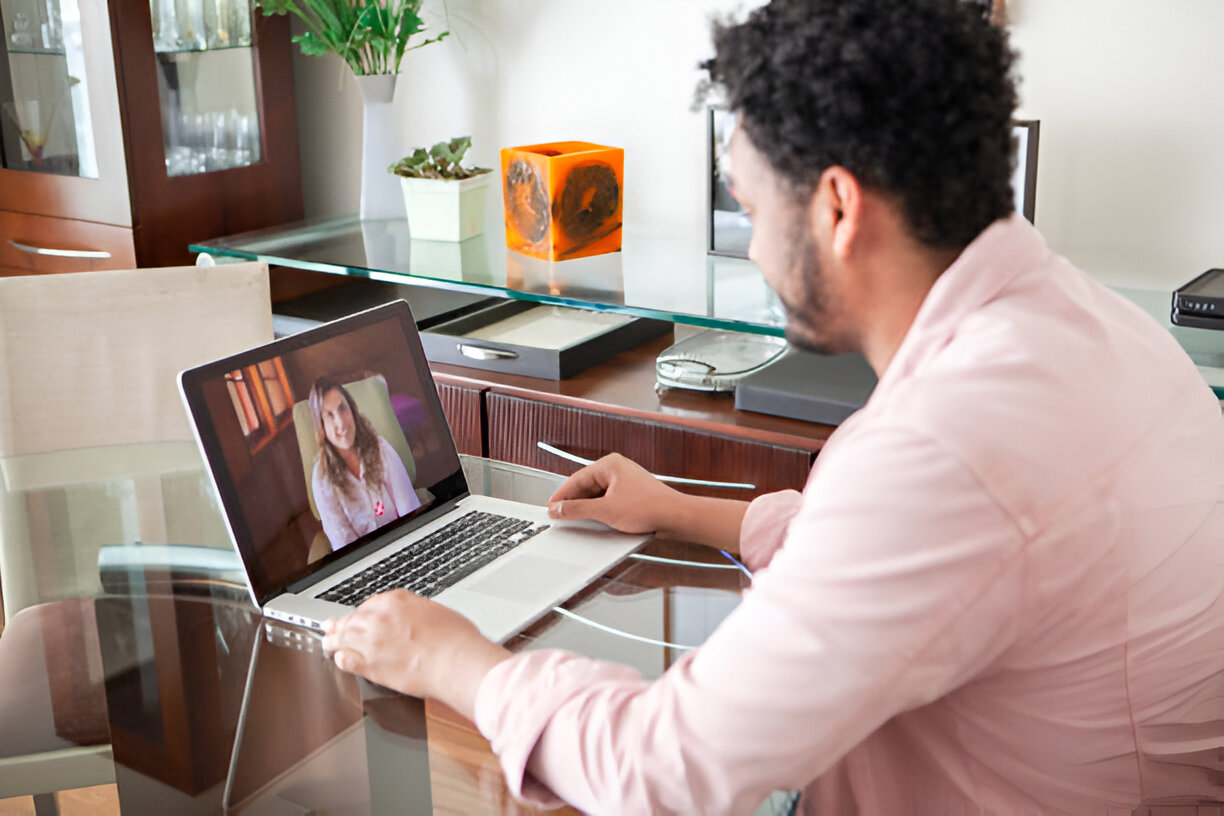
Consider talking to a therapist if anxiety lasts more than a few weeks, disrupts work or relationships, or leads you to avoid important parts of your life. Cognitive Behavioral Therapy (CBT) is the best-studied treatment for anxiety and helps most people within a few months. Online sessions make starting easier than ever.
Conclusion
Anxiety is common, real, and treatable. Understanding it is the first step; practicing daily coping skills is the second; and reaching out for professional support when you need it is a sign of strength — not weakness.